
Our History
The story of Dysart St Clair Church reaches back many centuries. Christianity has been associated with Dysart since the medieval period, and the parish church was dedicated to St Serf (Servanus). The medieval church stood near the harbour and St Serf’s Cave and was an important religious centre in the area. By the early thirteenth century, Dysart was already an established parish, and records from 1220 show that its church was significant enough to have Kirkcaldy as one of its dependent chapels.
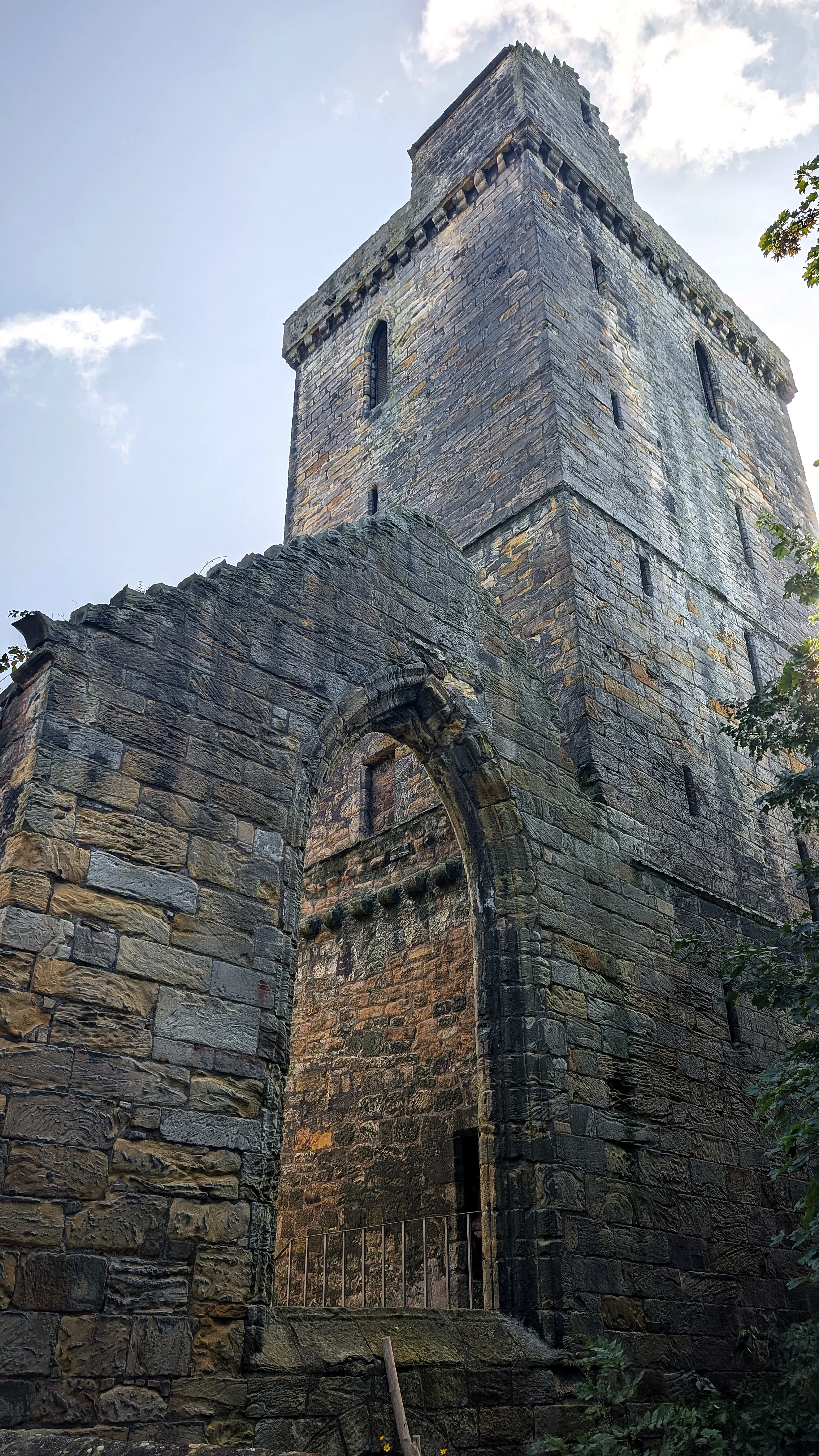
Following the Reformation, Dysart continued as a Church of Scotland parish. A second charge was established in 1607, and the old medieval church was eventually replaced by a new parish church in 1802. This building stood in the town and served the established congregation during a period when Dysart remained an important Fife community.
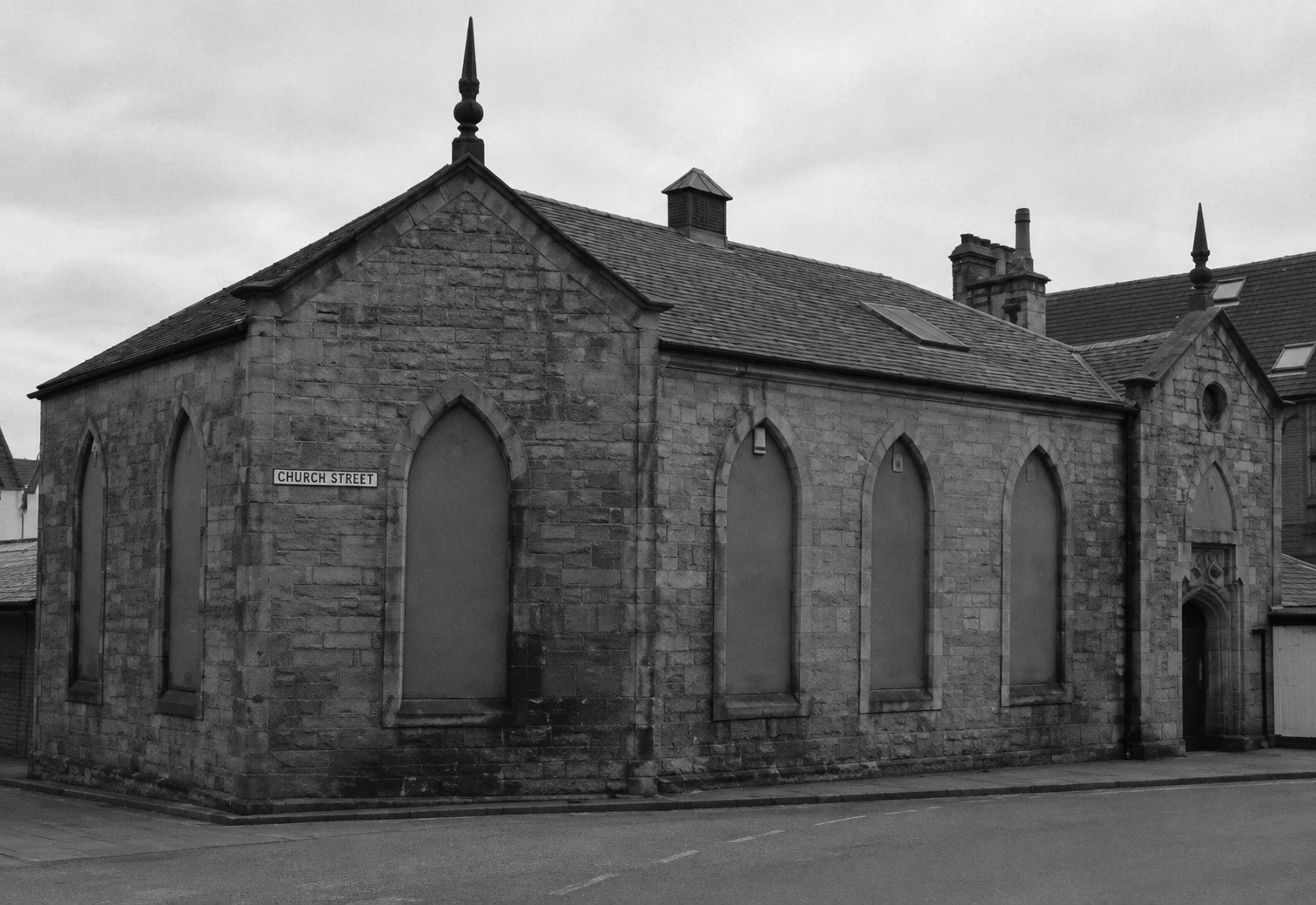
A major turning point came with the Disruption of 1843, when the Church of Scotland divided and the Free Church of Scotland was established. The minister of Dysart, John Thomson, and a large part of his congregation joined the Free Church. Their first Free Church building opened in 1844, on the corner of West Quality Street and Fitzroy Street.
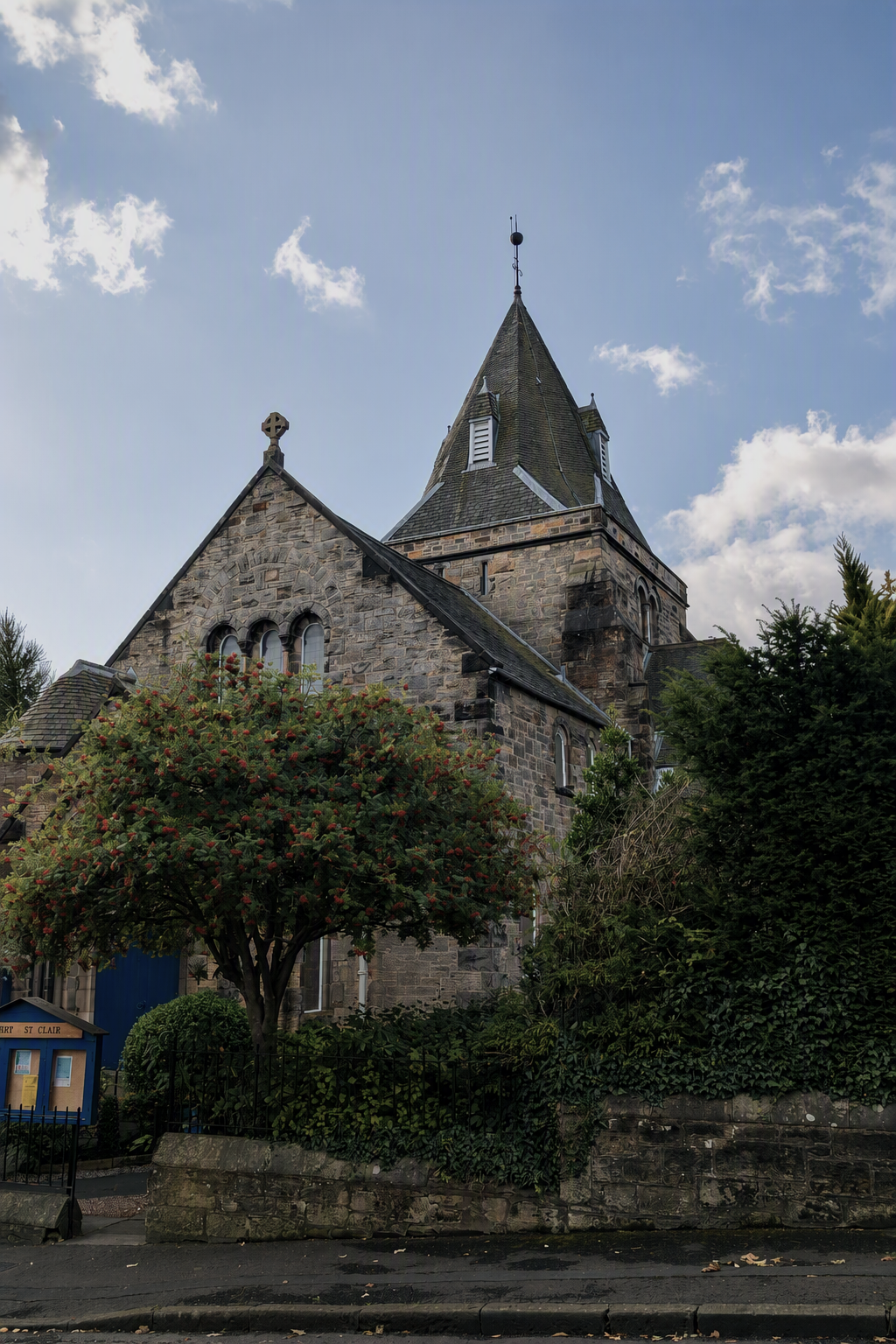
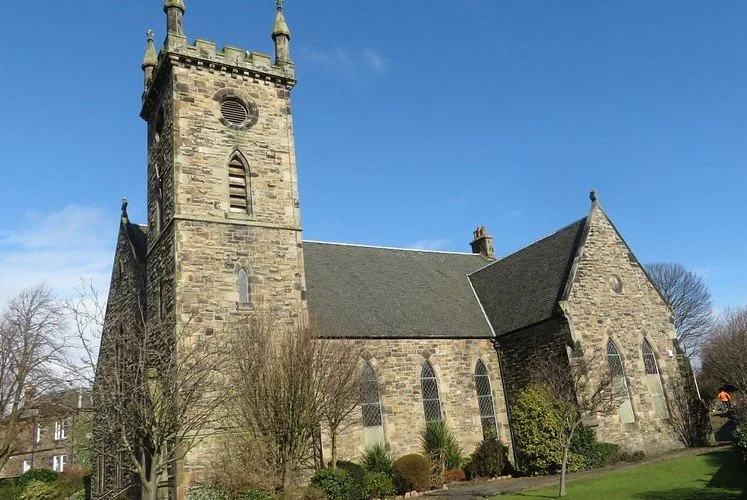
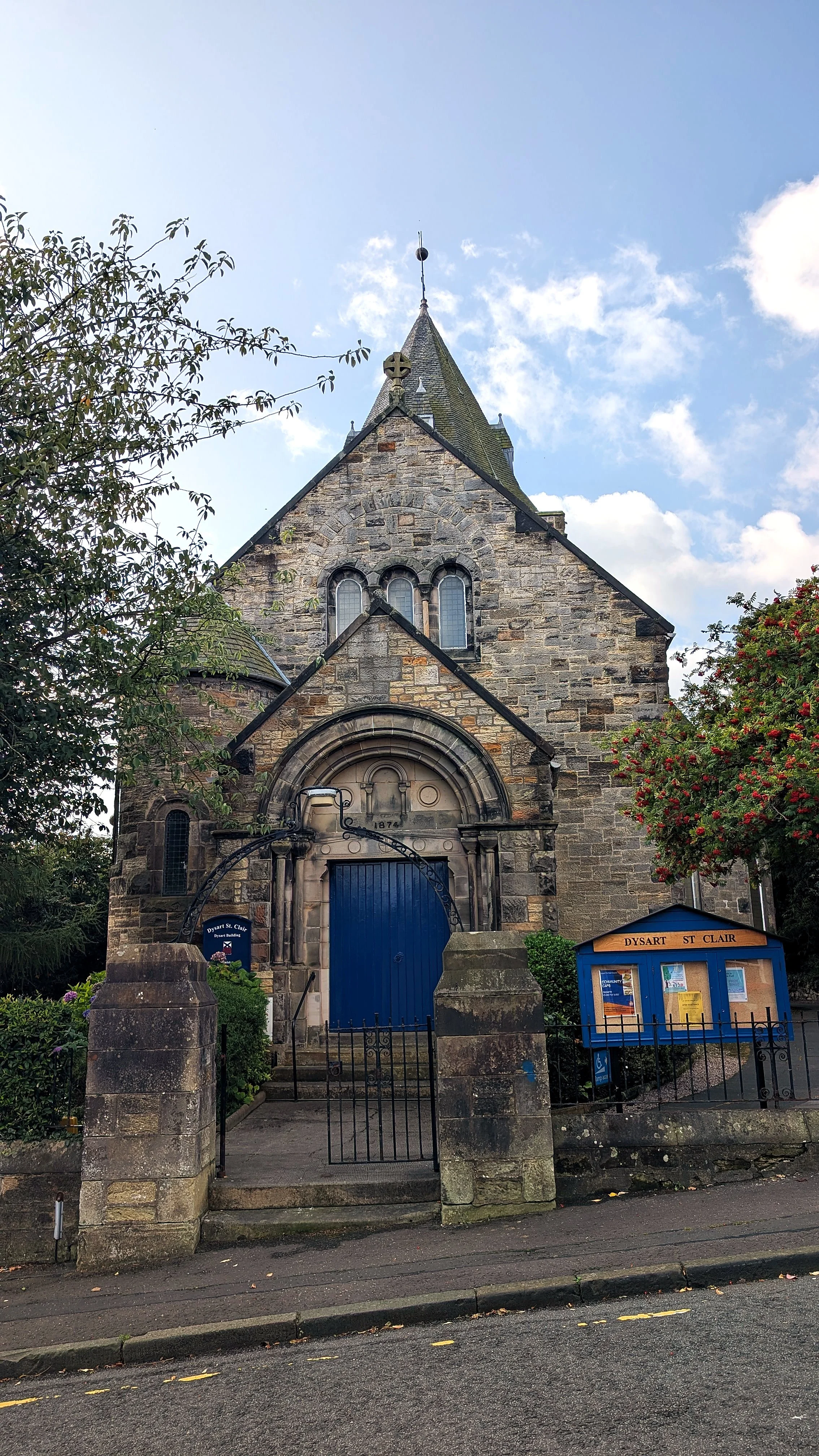
In 1874, the present church in West Port was built for the Free Church congregation. Constructed in stone with a cruciform plan and distinctive Romanesque detailing, it remains one of Dysart's notable historic buildings. After the union of the Free Church and United Presbyterian traditions in 1900, the congregation became known as St Serf's United Free Church. In 1929, following the union of the United Free Church with the Church of Scotland, the congregation returned to the Church of Scotland.
The church's story continued in 1972, when St Serf's united with Dysart Barony Church. The united congregation became known as Dysart Parish Church and continued to worship in the West Port building. In 2012, Dysart Parish Church united with Viewforth Church, creating the congregation now known as Dysart St Clair Parish Church. The historic 1874 church in West Port remains its home.
Today, Dysart St Clair continues the long Christian tradition of worship in Dysart, linking the medieval parish, the Reformation, the divisions and reunions of nineteenth- and twentieth-century Scottish Presbyterianism, and the life of the present congregation.